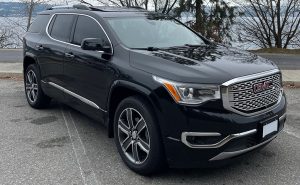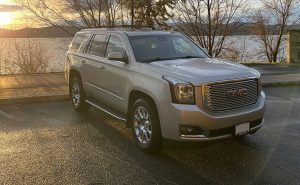

Every morning, the trip between home and office can steal time and energy. You sit in traffic, watch the clock, and arrive already tired. Executive transport flips that story. A trained driver handles the road while you use the ride for planning, calls, or quiet thinking. The vehicle is set up for work: stable Wi-Fi, phone charging, and a seat that supports your back. Pickups run on a set schedule, routes are tracked, and delays are handled with live traffic data. This is not about luxury; it is about using your hours well. Below are seven practical ways executive transport can lift daily productivity, one ride at a time. It also lowers driving risk and keeps your mind fresh for meetings.
A Fixed Pickup Window Removes Morning Guesswork
When you drive yourself, small delays stack up: finding keys, warming the car, fuel stops, parking, and the last-minute rush. Executive transport works on a pickup window, so your day starts with a clear plan. Many providers use dispatch software that assigns vehicles, confirms the driver, and logs the pickup time. You get a message when the driver is near, based on GPS location and an estimated time of arrival (ETA). If traffic builds, the ETA updates in real time, so you can adjust before it becomes a crisis. That simple certainty helps you protect your first hour of work. Try using the saved minutes to set your top three tasks for the day.
Quick ways to use that time:
- Review today’s calendar and note your “must-win” meeting.
- Draft a short email you would have written at your desk.
- Write a two-line plan for your first deep-work block.
Turn Commute Minutes Into Focus Work Time
A car can be a moving workspace if it is set up the right way. Executive vehicles often include strong mobile data, Wi-Fi hotspots, and multiple USB-C ports. With those basics, your commute becomes usable work time instead of dead time. You can open a document, answer messages, or prep for a call. To make this work, keep a simple “ride routine.” Use the first five minutes to list what you will do, then stay on one task until you arrive. Noise matters too: a quieter cabin reduces mental load and makes reading easier. Some fleets choose tires and insulation that cut road noise, which helps you stay on track.
Simple ride routine checklist:
- Connect to Wi-Fi and plug in your phone or laptop.
- Set a 20–30 minute timer for one task.
- Close extra tabs and mute non-urgent alerts.
- Save your work before arrival so you can exit fast.
Fewer Parking Searches Means More Mental Energy
Parking is a hidden time drain. Even when you find a spot, you may walk far, pay a fee, and worry about tickets. That worry follows you into your first meeting. With executive transport, the driver drops you at the door and handles staging or legal waiting zones. In many city centres, drivers use permitted pickup areas and know building rules, which cuts delays. Less parking stress also helps your brain switch into work mode faster. This is backed by simple attention science: your mind has limited “focus fuel.” If you spend it on traffic and parking, you have less left for problem-solving.
Small habits that amplify the benefit:
- Keep your laptop bag packed the night before.
- Save your meeting address as a pinned location.
- Ask for a drop-off point that matches the building entrance you use most.
- If you need to carry items, request a vehicle size that fits them safely.
Smarter Routing Uses Data, Not Guessing Today
A professional transport team does not rely on one “usual” route. Many fleets use routing tools that pull live traffic speed, road closures, and event data. The system can suggest alternatives and re-route during the trip. Some companies also track past trip times by day and hour to predict slow zones. This is simple but powerful technical work: GPS feeds location, mapping services estimate travel time, and dispatchers compare options before you lose minutes. You benefit because your arrival time becomes more stable, which makes scheduling easier. Stable schedules reduce gaps between meetings and help you protect time for deep work.
Questions to ask a provider about routing:
- Do you use live traffic feeds and automatic re-routing?
- Can I get an ETA link that updates during the ride?
- Do you plan around known events, like stadium games or roadworks?
- How do you handle backups if a car breaks down?
Private Calls Stay Clear And More Secure
Important calls often happen between meetings. In a personal car or a noisy rideshare, you may repeat yourself, miss details, or avoid the call altogether. Executive transport is built for clear voice calls: quieter cabins, better phone signal planning, and drivers trained to keep a steady pace. Security matters too. Many services use vetted drivers, trip logs, and company rules that limit who can access ride data. Some fleets use driver apps that record pickup, drop-off, and route history for audits. While no system is perfect, a formal process is usually safer than random pickups.
To keep calls smooth during the ride:
- Use a headset to reduce echo.
- Keep sensitive notes on a screen filter.
- Ask the driver to avoid loud radio and harsh stops.
- Schedule a five-minute buffer after the call to capture action items.
Less Driving Risk Lowers Daily Decision Fatigue
Driving is not just a matter of time; it is a constant choice. You judge speed, gaps, signals, and sudden lane changes. That steady stream of decisions can tire you out before work even starts. When a trained driver takes over, your brain gets a break from road decisions. You arrive with more “thinking power” for the work that matters. Good executive services build safety into their system. They may use driver screening, regular training, vehicle checks, and telematics. Telematics can track harsh braking, fast turns, and sudden speed changes, so teams can coach safer habits. Some fleets also follow service rules like maximum driving hours to reduce tired driving.
Signs a service takes safety seriously:
- Clear driver training and background checks.
- Logged vehicle inspections and maintenance records.
- GPS tracking and alerts for risky driving patterns.
- A support line you can reach during any trip.
Consistent Service Helps You Keep Better Habits
Productivity grows when your day is steady. If your ride changes each day, you waste time explaining directions, adjusting pickup spots, and resetting your routine. Executive transport can offer a consistent experience: same pickup method, similar vehicles, and clear rules. Many corporate programs set service levels, such as “pickup within X minutes,” “vehicle temperature range,” and “driver arrival notice.” That kind of standard makes planning easier. Over time, you can build habits around the ride—like a daily review, a reading block, or writing a short brief before a meeting. Consistency also helps teams. When leaders arrive on time, meetings start on time, and the whole schedule improves.
Easy habits to lock in:
- Monday: plan your week during the first ride.
- Daily: write one goal before you arrive.
- After meetings: record decisions and next steps on the way out.
- Friday: clear your inbox during the last ride.
Conclusion
Executive transport is a practical tool for people who want their time back. It replaces traffic stress with a planned ride, turns commute minutes into usable work time, and supports safer, calmer thinking. With live routing, reliable pickups, and a quiet space for calls, you can protect the parts of your day that create real results. If your team is ready for steadier schedules and smoother travel, RoadStars Ventures LLC offers executive corporate transportation services designed for busy workdays today.